
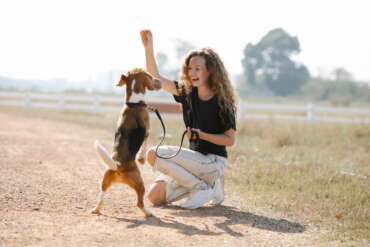
Pets are beloved members of the family, and training them is an important part of responsible pet ownership. Proper training can help pets behave well, obey commands, and even ensure their safety. However, training your pet can be challenging and require patience, consistency, and positive reinforcement. To help you navigate this process, here are the do’s and don’ts of training your pet.
The Importance of Training Your Pet
Training your pet is not just about teaching them basic obedience commands such as “sit” and “stay.” It is also about establishing a strong bond with your pet, ensuring their safety, and promoting their well-being. Proper training can prevent your pet from engaging in destructive or dangerous behaviors, such as chewing on furniture or running into traffic. It can also help your pet feel more confident, comfortable, and relaxed in various social situations.
The Do’s of Training Your Pet
Before you start training your pet, it is essential to define clear, specific, and achievable goals. Decide what behaviors you want to encourage or discourage and set a timeline for achieving these goals. This approach will help you stay focused, track progress, and adjust your training methods if necessary.
Use Positive Reinforcement
Positive reinforcement is a highly effective training technique that involves rewarding your pet for good behavior. Use treats, praise, or toys to encourage desirable behaviors and discourage undesirable ones. This approach helps your pet associate positive emotions with specific actions, making them more likely to repeat those actions in the future.
Be Consistent
Consistency is key to successful pet training. Use the same commands, cues, and rewards consistently, and avoid confusing or conflicting messages. Ensure that all family members are on the same page and using the same training methods to avoid confusion or inconsistency.
Keep Training Sessions Short
Short, frequent training sessions are more effective than long, sporadic ones. Keep training sessions to 10-15 minutes and take frequent breaks to avoid overwhelming your pet. Gradually increase the length and complexity of training sessions as your pet becomes more comfortable and confident.
Be Patient
Training your pet requires patience and perseverance. Do not expect your pet to learn new behaviors overnight. Be patient, consistent, and positive, and avoid getting frustrated or discouraged. Celebrate small victories and focus on progress rather than perfection.
Socialize Your Pet
Socialization is an essential part of pet training, especially for puppies and young dogs. Socialize your pet by exposing them to various people, animals, and environments, including parks, vet clinics, and pet stores. This exposure will help your pet feel more comfortable and relaxed in new situations, making them less likely to exhibit fear or aggression.
The Don’ts of Training Your Pet
Physical punishment, such as hitting, spanking, or choking your pet, is not an effective training technique. It can harm your pet, erode trust and confidence, and even exacerbate behavior problems. Instead, use positive reinforcement