
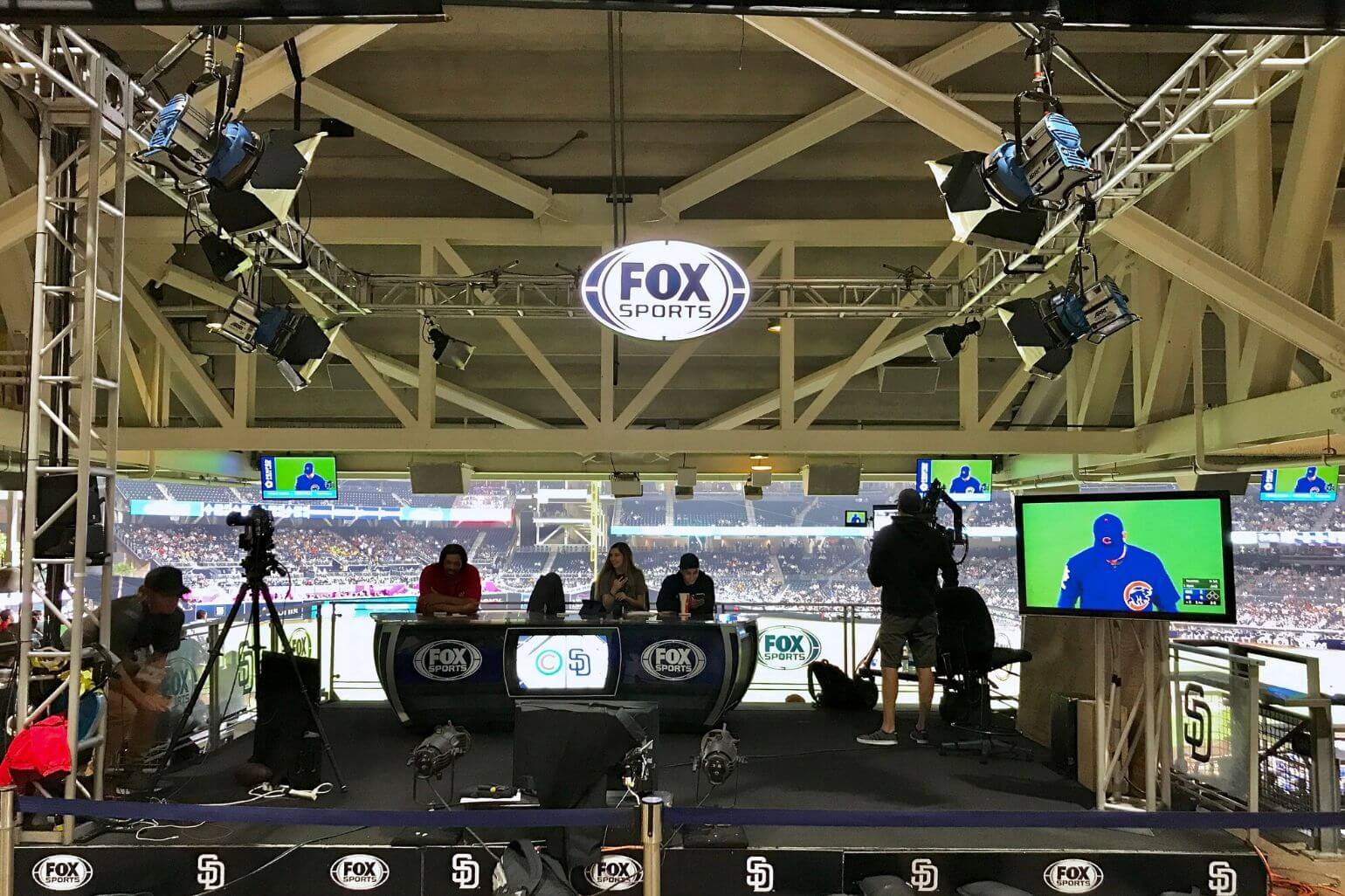

Broadcasting sports 라이브스포츠 events requires more than just capturing the action on screen; it’s equally important to deliver clear and immersive audio. Whether the event takes place indoors or outdoors, the environment can greatly affect the way sound is captured and presented to the audience. Understanding the differences in audio settings for indoor and outdoor sports broadcasting is crucial for ensuring high-quality sound, enhancing the viewer experience, and maintaining professional standards.
In this guide, we will explore the best audio settings for broadcasting both indoor and outdoor sports, providing you with the tools and knowledge to achieve optimal sound performance in various environments.
Importance of Audio in Sports Broadcasting
Audio plays a pivotal role in sports broadcasting, helping viewers feel more connected to the action. In sports, it is not just about the commentator’s voice but also the ambient sounds — the roar of the crowd, the whistle of the referee, the bounce of the ball, or the rush of the players running across the field. The right audio settings ensure that these sounds are captured and transmitted clearly, providing an immersive experience for the viewers.
Key Audio Components in Sports Broadcasting
- Commentary: The voice of the commentator is crucial in sports broadcasting. Their tone, clarity, and enunciation guide the audience through the event, providing context and excitement.
- Ambient Sounds: These include crowd noise, ball bounces, player interactions, and other atmospheric sounds that help create an engaging viewing experience.
- Effects: These may involve any sound enhancements, such as crowd cheers, team chants, and even digital effects to amplify specific moments (like a goal or dunk).
- Music: Background music can be used sparingly to add to the excitement of the event, though it should not overpower the natural sounds of the game.
Indoor Sports: Audio Considerations and Settings
Indoor sports venues, such as basketball courts, volleyball arenas, and ice rinks, come with their own set of challenges and advantages when it comes to audio.
Acoustics of Indoor Environments
Indoor environments are typically enclosed spaces, often with reflective surfaces such as glass, wood, or concrete. These surfaces can cause echoes and reverberations that can distort the clarity of the sound.
Key Audio Challenges in Indoor Sports Broadcasting
- Echo and Reverberation: In small indoor arenas, sound waves bounce off hard surfaces, creating unwanted echoes that can muddy the audio.
- High-frequency Absorption: Some indoor venues absorb high frequencies, which may result in muffled or distant-sounding commentary.
- Crowd Noise Isolation: Indoor arenas, especially smaller ones, can have a limited capacity, which can make crowd noise seem less dynamic and more contained.
Best Audio Settings for Indoor Sports Broadcasting
- Microphone Placement: For indoor sports, close-miking is essential. Use directional microphones (shotgun mics) for capturing commentary and dynamic sounds without picking up too much room noise. Lavalier microphones for commentators can also help isolate their voices from the surrounding noise.
- Echo Reduction: Digital signal processors (DSPs) can be employed to manage reverberation and echo. By adjusting the frequency response, these devices can help eliminate the sound distortions caused by reflections.
- Soundproofing: For indoor settings with minimal crowd noise, consider using ambient sound capture tools or mixing in audio from external microphones placed at various locations within the arena to simulate a more lively atmosphere.
- Noise Gates and Compressors: Use noise gates to filter out low-level sounds that may cause interference and compressors to keep levels consistent, ensuring that the audio remains clear and smooth throughout the broadcast.
Ideal Audio Equipment for Indoor Sports
- Shotgun Microphones: Great for directional audio capture.
- Lavalier Microphones: Useful for on-the-move commentary.
- Portable Audio Mixers: Allow for on-site control over audio mixing.
- DSPs and Reverb Removers: Help fine-tune the sound to minimize room acoustics interference.
Outdoor Sports: Audio Considerations and Settings
Broadcasting outdoor sports presents different challenges than indoor sports, due to the variety of environmental factors that can influence audio capture.
Environmental Challenges in Outdoor Sports
Outdoor sports, such as football, soccer, and baseball, typically take place in large, open-air stadiums or fields. The natural elements — wind, weather, and crowd size — can all affect audio quality.
Key Audio Challenges in Outdoor Sports Broadcasting
- Wind Noise: Wind is one of the most common issues when broadcasting outdoor sports. It can create a constant low-frequency hum that masks important sounds and makes commentary hard to hear.
- Ambient Noise: Outdoor sports venues tend to have larger, more spread-out crowds, which can result in overwhelming background noise that drowns out important commentary and sounds.
- Weather Conditions: Rain, thunderstorms, or even excessive heat can affect both the equipment and the sound quality.
Best Audio Settings for Outdoor Sports Broadcasting
- Wind Shields for Microphones: Outdoor sports broadcasting requires microphones with high-quality windshields or dead cats to prevent wind noise from interfering with audio capture. This is especially important for handheld or on-the-field microphones.
- Microphone Type: Omnidirectional microphones should be avoided in windy conditions. Instead, use cardioid microphones or shotgun mics that focus on capturing sound from a specific direction, minimizing unwanted background noise.
- Microphone Placement: Strategic placement is key in outdoor sports. Use wireless mics attached to players or equipment, and place mics around the field to capture crowd noise and action sounds from multiple angles.
- Crowd Noise Management: To balance out crowd noise, audio engineers often employ a multitrack mixing setup that allows them to isolate and adjust the levels of commentary, field sounds, and crowd noise separately.
- On-location Mixing: Use portable audio mixers that allow real-time adjustments to audio levels during the broadcast. This is especially important in outdoor environments, where conditions can change rapidly, and you may need to adapt the audio mix accordingly.
Ideal Audio Equipment for Outdoor Sports
- Wind Shields/Dead Cats: Essential for capturing clean audio in windy conditions.
- Shotgun Microphones: Useful for isolating specific sounds and reducing unwanted noise.
- Wireless Microphones: Perfect for capturing player sounds or sideline interviews.
- Field Mixers: Provide on-the-go audio mixing control, essential in outdoor settings.
Comparing Indoor and Outdoor Sports Audio Settings
While both indoor and outdoor sports broadcasting require specialized audio equipment and settings, the key differences lie in how the environments affect sound.
| Aspect | Indoor Sports | Outdoor Sports |
| Environment | Enclosed, smaller spaces, reflective surfaces | Open-air, larger venues, more noise sources |
| Main Audio Challenges | Echo, reverberation, limited crowd noise | Wind noise, weather conditions, large crowd noise |
| Microphone Placement | Close-miking, directional microphones | Wireless mics, shotgun mics, crowd microphones |
| Noise Control Tools | DSPs, noise gates, compressors | Windshields, multitrack mixing |
| Ideal Microphones | Shotgun, lavalier microphones | Shotgun, wireless, omnidirectional mics |
Conclusion
In conclusion, whether broadcasting indoor or outdoor sports, achieving optimal audio settings is crucial for delivering a high-quality experience to your audience. Indoor sports require careful control of echo and reverberation, with close-miking and strategic use of directional microphones being key. On the other hand, outdoor sports demand tools that handle environmental noise like wind and large crowds, with windshields and multitrack mixing playing pivotal roles.
By understanding the unique challenges each environment presents and choosing the right tools and techniques, you can create a seamless audio experience that enhances your sports broadcast, immerses the viewers in the action, and ensures that every detail is captured perfectly.